Geographical Origin & Distribution
Artichokes are composite plants and origin from Asia. The Arabs imported the culinary plant to the Middle East, and today, the plant has conquered the world.
Historical Use
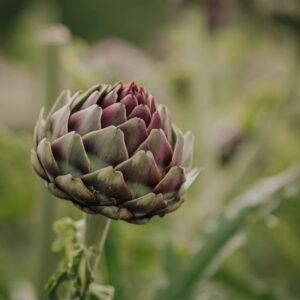
Artichokes are a type of a thistle plant, cultivated for their edible, immature flower buds.
At the time of the French revolution, Artichokes were deemed to be a sign of wealth and style, but the story of Artichokes goes back to the days before Christ. But, the medicinal properties were equally appreciated, and Artichokes were widely considered to be an effective detox remedy. Skin issues, jaundice, and hepatitis were also treated with Artichoke remedies.
Medical Use
Apart from the most wanted immature flower, the leaves are equally valuable. The plant is a first choice when it comes to flushing bile fro the liver.
Common Applications
Wounds & Skin Care: tannins, triterpenes, and salicylic acid speed up wound healing and promote tissue repair. Helpful with minor cuts, bruises, burns, eczema, and insect bites.
Anti-inflammatory: Alchemilla contains flavonoids, which reduce inflammation in skin conditions, it helps with digestive inflammation, and eases joint pain & arthritis.
Circulatory Health: it strengthens blood vessels and improves circulation.
Digestive Health: Alchemilla helps treating diarrhoea, indigestion, and supports the gastric mucosa.
Hormonal Balance: Alchemilla helps to regulate menstrual cycles and supports hormonal balance.
Purchase Alchemilla in the UK from our favourite supplier
Active Substances
- Tannins: contribute to its astringent properties, useful for tightening tissues and stopping bleeding. These include agrimoniin, pedunculagin, and laevigatin.
- Flavonoids: quercetin, isoquercetin, rutin, avicularin, proanthocyanidins, and tiliroside – these have antioxidant effects, helping to protect cells from oxidative stress.
- Phenolic Acids: ellagic, gallic & caffeic acid contribute to the plant’s antioxidant and anti-inflammatory properties.
- Salicylic Acid: anti-inflammatory and pain-relieving properties.
- Triterpenes: anti-inflammatory and antimicrobial effects. These include ursolic acid, 2α-hydroxyursolic acid, tormentic acid, euscophic acd, and oleanolic acid.
- Voletile Oils: aroma.
- Phytosterols: help to balance cholesterol levels and provide anti-inflammatory effects.
- Bitters: stimulate digestive secretions, including saliva, bile, and stomach acids.
Chemical Breakdown (per 100 g of dried Alchemilla)
Tannins: 6.0-8.0%
Flavonoids: 1.0-3.0%
Salicylic Acid: traces
Phenolic Acids: 0.5%–1.0%
Triterpenes: 0.2-0.5%
Volatile Oils: traces
Phytosterols: traces
Bitters: 1.0-2.0%
COOLING
Cooling herbs are those that reduce heat, inflammation, …
and excess energy in the body. They help soothe conditions associated with excess “heat,” such as fevers, inflammation, irritability, or digestive upset. Cooling herbs are widely used in Ayurveda, Traditional Chinese Medicine (TCM), and Western herbalism to balance the body’s temperature and energy.
Cooling: reducing internal or external heat (e.g., fevers, inflammation, irritability).
Calming: they tend to soothe both physical and emotional agitation.
Bitter: reducing heat and clearing toxin.
Applications: treat conditions like feeling overheated, skin irritations, emotional agitation, digestive heat, inflammatory conditions.
Sweet, bitter and astringent herbs tend to be cooling.
BITTER
Bitters are herbs and substances known for their bitter taste, …
which stimulates digestion, detoxification, and other physiological processes. They play a foundational role in many traditional healing systems like Ayurveda, Traditional Chinese Medicine (TCM), and Western herbalism as a very complex group of phytochemicals that stimulate the bitter receptors in the mouth.
Taste: their distinct bitter flavor activates receptors in the mouth and digestive system.
Action: stimulating bile production, enhancing digestive enzyme secretion, improve appetite and digestion.
Tonic Effect: bitters are considered tonics for the digestive system, promoting overall balance and function.
Energetics: used to reduce heat, inflammation, or excess dampness in the body.
They were some of the most valuable remedies in ancient medicine. Many of these reputations are being supported by new research on the role of bitter receptors in the mouth and elsewhere round the body. Bitters were also seen as ‘cooling’ reducing the intensity of some fevers and inflammatory diseases.
Planting & Harvesting
Preferred Location
Basic Information
Leaves
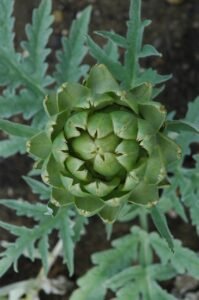
Large, silvery-green, jagged and deeply lobed.
Flowers
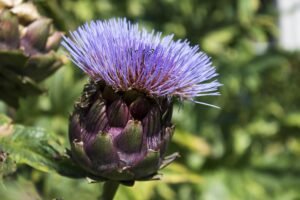
Pink or purple flowers with large heads developing from the edible buds.
Growing
Artichokes are produced from seeds or with division and root cuttings
Harvest
Harvest the fresh, younger leaves during the summer months (before or during flowering), preferably on a dry sunny day when there is little moisture in the air. The roots can be cut in early spring, just as the first shoots appear, or in autumn, once the whole plant is dying back. Harvest from plants at least 2 years old. If drying for storage, lay the leaves and/or roots out on a tray or paper and dry slowly – keep checking regularly for any signs of mould.