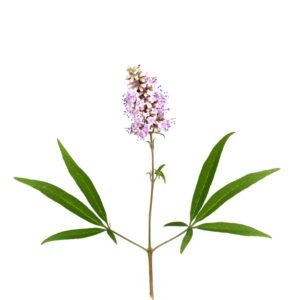
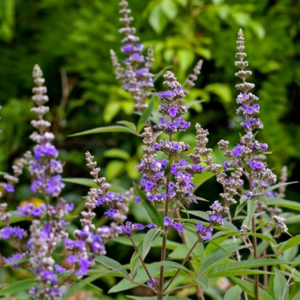
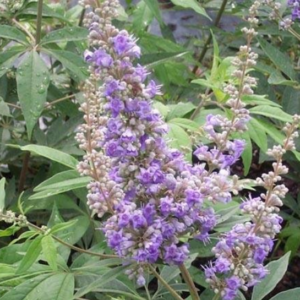
While Agnus Castus is generally considered safe for horses, it’s important to introduce any new plant or supplement gradually and monitor your horse’s response. Don’t feed to pregnant animals!
- Hormonal Balance in Mares:
- Agnus Castus can help manage hormonal imbalances in mares, especially those experiencing irregular heat cycles, mood swings, or discomfort during estrus (heat).
- It is thought to reduce symptoms of irritability, moodiness, and even aggressive behavior related to hormone fluctuations.
- The herb may also help regulate reproductive hormones like progesterone and estrogen, promoting a more regular cycle.
- Use in combination with Raspberry leaf & Chamomile
- Cushing’s Disease (PPID):
- In older horses, Agnus castus is often used to support horses suffering from Pituitary Pars Intermedia Dysfunction (PPID), commonly known as Cushing’s disease. This condition causes the pituitary gland to overproduce certain hormones, leading to symptoms like excessive thirst, abnormal hair growth, lethargy, and laminitis.
- The herb is believed to help regulate the pituitary gland’s function and may help lower adrenocorticotropic hormone (ACTH) levels, reducing the severity of Cushing’s symptoms.
- Anti-Inflammatory and Antioxidant Effect:
- Agnus Castus has mild anti-inflammatory and antioxidant properties, which can be beneficial in supporting overall health, reducing inflammation, and promoting better immune function in horses.
- Older Horses:
- For older horses, Agnus Castus may provide general support for hormonal and metabolic health, especially in those experiencing age-related hormone issues such as Cushing’s disease or insulin resistance.
Curious to use nature’s recipes with feeding & usage guidelines for horses? Check out our new books…
Additional sources: Journal of Applied Pharmaceutical Science Vol. 12(03), pp 034-044, March, 2022; National Center for Biotechnology Information; De Guyter – Phytochemical screening and antioxidant activity of Vitex agnus-castus L.; Researchgate – Evaluation of the phenolic compounds and the antioxidant potentials of Vitex agnus-castus L. leaves and fruits