Geographical Origin & Distribution
Astragalus membranaceus is native to northern and eastern Asia, particularly northern China and Mongolia. It naturally grows in grasslands, mountain slopes, forest margins and relatively dry environments. The plant thrives in temperate climates and prefers sunny locations with well-drained, sandy or loamy soils. It is relatively drought tolerant once established.
Today, Astragalus is cultivated commercially, particularly in China, where it is grown for its medicinal roots. It is also cultivated in other parts of Asia and increasingly in Europe and North America for herbal preparations. Astragalus belongs to a very large botanical genus containing thousands of species. It is important to distinguish medicinal Astragalus membranaceus from other members of the genus, some of which contain toxic compounds.
Historical Use
Astragalus is one of the most important tonic herbs in Traditional Chinese Medicine, and its medicinal use dates back more than 2,000 years. It is traditionally used to strengthen the body’s resistance, support recovery from weakness and fatigue, and promote general vitality. It is also used with decreased appetite, sudden sweating and diarrhoea.
The Chinese name Huang Qi translates approximately as “yellow leader”, referring to the characteristic yellow colour of its medicinal root and its important position among traditional tonic herbs. Unlike many Western herbs, which are traditionally classified according to their bitter, aromatic or astringent properties, Astragalus is primarily regarded as a nourishing and strengthening tonic.
Astragalus is also known under the names radix astragali or milk vetch.
Medical Use
The root is the principal medicinal part of Astragalus. It is traditionally used to support general vitality, immune function and recovery. Modern research has identified several biologically active compounds, particularly polysaccharides, flavonoids and triterpenoid saponins. These have demonstrated various biological activities in laboratory and animal studies.
Common Applications
Stress: Astragalus is often classified as an adaptogenic herb. Traditionally, it is used to strengthen vitality and resilience during periods of physical weakness, exhaustion and recovery. Its potential effects on the body’s stress-response systems are still being investigated.
Anti-inflammatory: it contains flavonoids and saponins that have demonstrated anti-inflammatory activity in experimental studies. These compounds are being investigated for their potential to regulate inflammatory signalling pathways.
Immune System: Astragalus is traditionally used as an immune-supporting tonic. Its polysaccharides have been investigated for their effects on immune cells and immune signalling. Research suggests that they may influence the activity of macrophages, lymphocytes and other immune components.
Circulatory Health: its saponins, particularly astragaloside IV, have been studied for their potential effects on cardiovascular function, circulation and cellular protection.
Kidney & Urinary Health: traditional Chinese medicine uses Astragalus in formulas for fluid balance and urinary complaints. Modern research has investigated its potential effects on kidney function, particularly in experimental models of kidney injury. Clinical evidence remains insufficient to establish it as a treatment.
Antioxidant Properties: its flavonoids and polysaccharides have demonstrated antioxidant activity in laboratory research. They may help protect cells against oxidative stress.
Liver Support: certain Astragalus extracts and isolated compounds have demonstrated hepatoprotective properties in experimental studies. Traditionally, the herb has been used as a general restorative tonic.
Purchase Astragalus in the UK from our favourite supplier
Active Substances
- Polysaccharides (Astragalus polysaccharides – APS): complex carbohydrates that have been widely investigated for their immunomodulatory, antioxidant and cellular-protective properties).
- Triterpenoid Saponins (Astragalosides): this includes astragalosides I, II and IV. These compounds are associated with anti-inflammatory, antioxidant and cardiovascular research.
- Isoflavonoids: including formononetin, calycosin, calycosin-7-glucoside and ononin. These compounds have demonstrated antioxidant and anti-inflammatory activities.
- Flavonoids: Plant antioxidants that contribute to the protective properties of the root.
- Phytosterols: including beta-sitosterol, which is involved in research into cholesterol metabolism and inflammatory processes.
- Amino Acids: various amino acids have been identified in the root.
- Trace Minreals: small quantities of minerals and other inorganic elements are present, with levels depending on soil and growing conditions.
Chemical Breakdown (per 100 g of dried Astragalus membranaceus root)
Polysaccarides: 1.69 g
Saponins: 0.17 g
Isoflavonoids: 14.49 mg
Flavonoids: 0.14 g
Sterols: 7.5-43.4 mg
SALTY
Salty remedies are natural substances or preparations, …
characterised by a salty taste (Lavana Rasa in Ayurveda). They are traditionally associated with supporting digestion, stimulating appetite, balancing fluids and minerals, and helping to soften or loosen accumulated mucus and bodily stagnation. In Ayurveda, salty substances are understood to influence the digestive fire (Agni) and the movement of fluids within the body.
Salty (Lavana Rasa): distinctly salty or mineral-rich taste..
Digestive: stimulate appetite, encourage digestive secretions and support the breakdown of food.
Moistening & Softening: traditionally help soften hardened tissues, loosen accumulated mucus and relieve dryness.
Fluid & Mineral Balance: provide mineral salts and electrolytes that contribute to fluid regulation and normal nerve and muscle function.
Applications: traditionally used for poor appetite, sluggish digestion, abdominal discomfort, dryness, constipation and certain conditions associated with mucus accumulation.
In modern times, this might translate as thermogenic and circulatory stimulant effects. Heating remedies are used to counter the impact of cold, reducing any symptoms made worse in the cold.In modern terms, some of these effects may relate to electrolyte provision, sodium-dependent fluid regulation and stimulation of digestive secretions. However, salty substances are not interchangeable: their mineral composition and physiological effects depend on their source.characterised by a salty taste (Lavana Rasa in Ayurveda). They are traditionally associated with supporting digestion, stimulating appetite, balancing fluids and minerals, and helping to soften or loosen accumulated mucus and bodily stagnation. In Ayurveda, salty substances are understood to influence the digestive fire (Agni) and the movement of fluids within the body.
Salty (Lavana Rasa): distinctly salty or mineral-rich taste..
Digestive: stimulate appetite, encourage digestive secretions and support the breakdown of food.
Moistening & Softening: traditionally help soften hardened tissues, loosen accumulated mucus and relieve dryness.
Fluid & Mineral Balance: provide mineral salts and electrolytes that contribute to fluid regulation and normal nerve and muscle function.
Applications: traditionally used for poor appetite, sluggish digestion, abdominal discomfort, dryness, constipation and certain conditions associated with mucus accumulation.
In modern terms, some of these effects may relate to electrolyte provision, sodium-dependent fluid regulation and stimulation of digestive secretions. However, salty substances are not interchangeable: their mineral composition and physiological effects depend on their source.
BITTER
Bitters are herbs and substances known for their bitter taste, …
which stimulates digestion, detoxification, and other physiological processes. They play a foundational role in many traditional healing systems like Ayurveda, Traditional Chinese Medicine (TCM), and Western herbalism as a very complex group of phytochemicals that stimulate the bitter receptors in the mouth.
Taste: their distinct bitter flavor activates receptors in the mouth and digestive system.
Action: stimulating bile production, enhancing digestive enzyme secretion, improve appetite and digestion.
Tonic Effect: bitters are considered tonics for the digestive system, promoting overall balance and function.
Energetics: used to reduce heat, inflammation, or excess dampness in the body.
They were some of the most valuable remedies in ancient medicine. Many of these reputations are being supported by new research on the role of bitter receptors in the mouth and elsewhere round the body. Bitters were also seen as ‘cooling’ reducing the intensity of some fevers and inflammatory diseases.
SWEET
Sweet herbs have a naturally sweet taste due to their essential oils,…
glycosides, or other compounds. They are often used in teas, desserts, herbal medicine, and cooking to add a pleasant flavour without the need for added sugars. Some also have medicinal benefits, such as aiding digestion, calming the nervous system, or acting as natural sweeteners. Describing a remedy as sweet generally led to that remedy being used in convalescence or recovery from illness.
Taste: the sweet taste of herbs comes from various compounds like glycosides, essential oils, polysaccharides, and aromatic compounds.
Action: sweet herbs generally have a nourishing, moistening, and balancing effect on the body.
Tonic Effect: sweet tonics are commonly used in traditional medicine to support energy levels, digestion, the nervous system, and overall vitality.
Energetics: warming, harmonising, nourishing, strengthening, or moistening the body.
Planting & Harvesting
Preferred Location
Basic Information
Leaves
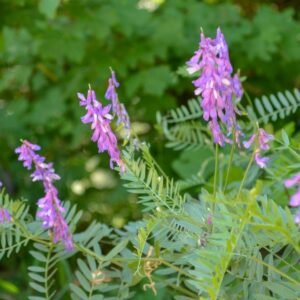
Astragalus has compound, pinnate leaves, usually consisting of numerous small oval or elliptical leaflets arranged along a central stem. The leaves are green and slightly hairy, depending on the variety.
Flowers
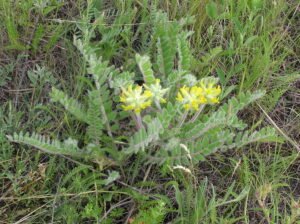
The flowers are small, pale yellowish-white and pea-shaped, typical of the Fabaceae family. They grow in clusters along the stems and are followed by small seed pods.
Fruit
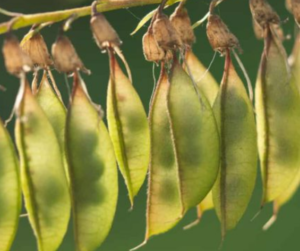
The plant produces small, inflated or elongated seed pods containing several seeds.
Roots
The root is the most valuable medicinal part of the plant. It is long, cylindrical and often slightly branched, with a yellowish-brown outer surface and a yellowish-white interior. The root develops over several growing seasons and is harvested primarily for its polysaccharides, saponins and flavonoids.
Harvest
Medicinal Astragalus root is generally harvested from mature plants, commonly after three to four years of cultivation. The roots are collected best in autumn or spring, cleaned thoroughly and cut into slices before being dried.