Balm (Melissa officinalis)
Geographical Origin & Distribution From its Mediterranean origin, Vitex agnus castus (Agnus Castus) spread to various parts of Europe, Asia,
Balm (Melissa officinalis) Read More »

Geographical Origin & Distribution From its Mediterranean origin, Vitex agnus castus (Agnus Castus) spread to various parts of Europe, Asia,
Balm (Melissa officinalis) Read More »
Geographical Origin & Distribution Astragalus membranaceus is native to northern and eastern Asia, particularly northern China and Mongolia. It naturally

A short, slightly mischievous history of October 31st, Halloween, and the plants people trusted to get them and animals through
Halloween – Herbs, and the Night the Dead Came for Dinner Read More »
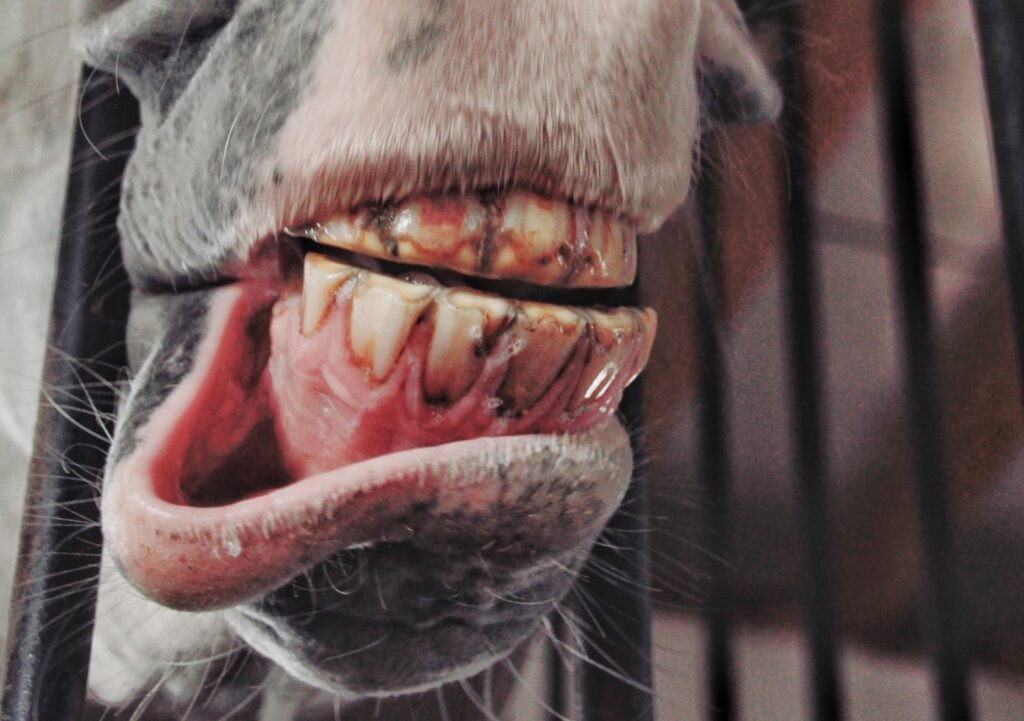
Periodontitis In Horses The periodontium is the collective term for all the structures that anchor a tooth in the jaw: the gum
What Is Equine Periodontits? Read More »

Stomatitis in Horses Stomatitis simply means inflammation of the mucous membranes that line the mouth — the gums, inner cheeks,
What Is Equine Stomatitis? Read More »
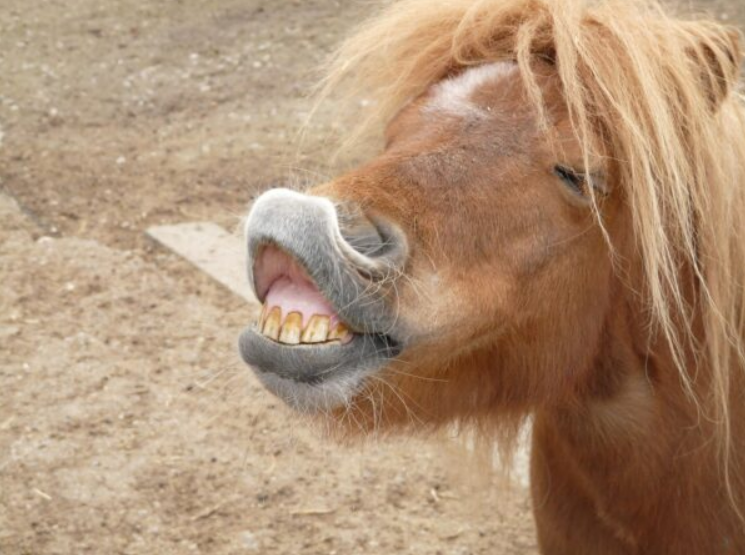
A Lifetime of Teeth — How Horse Teeth & Care Changes with Age A horse’s dental story begins before birth
Horse Teeth Health & Equine Dentistry Read More »
Geographical Origin & Distribution The plant is indigenous to the dry regions of India, particularly the northwestern states, but also
Ashwagandha (Withania somnifera) Read More »
While Agnus Castus is generally considered safe for horses, it’s important to introduce any new plant or supplement gradually and
Agnus Castus for Horses Read More »
Geographical Origin & Distribution Artichokes are composite plants and origin from Asia. The Arabs imported the culinary plant to the
Artichoke (Cynara scolymus) Read More »
Geographical Origin & Distribution Arnica plants (there are about 30 different ones) from the family of the Asteraceae are native
Arnica (Arnica montana) Read More »