Stomatitis in Horses
Stomatitis simply means inflammation of the mucous membranes that line the mouth — the gums, inner cheeks, tongue, and soft palate. In horses, it is not a single disease but a clinical sign that can arise from a variety of underlying causes, ranging from a straightforward mouth ulcer caused by a sharp tooth to a systemic viral infection affecting multiple body systems at once.
The condition ranges in severity from mild, transient soreness to severe, erosive lesions that make eating — and even drinking — acutely painful. Because horses are stoic animals that rarely show obvious distress, stomatitis is frequently missed until it is well advanced.
📋 Key fact: The word stomatitis comes from the Greek stoma (mouth) and -itis (inflammation). In veterinary medicine it is used both as a standalone diagnosis and as a descriptor within broader conditions such as vesicular stomatitis or equine stomatitis virus infection.
What Causes Stomatitis in Horses?
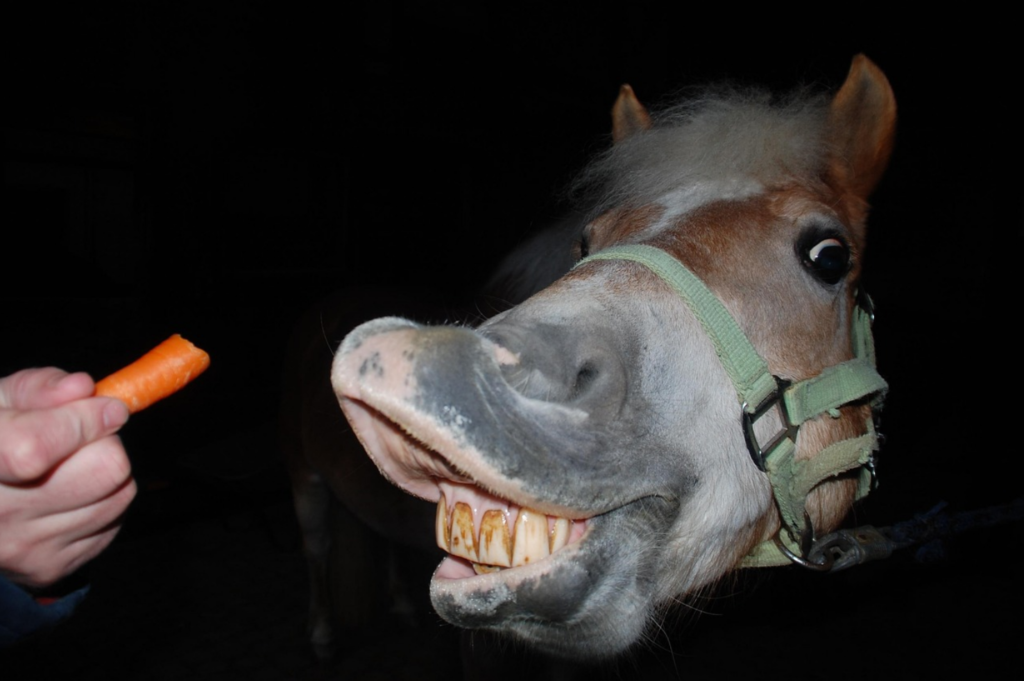
The causes fall into two broad categories: local (mechanical) causes originating in the mouth itself, and systemic causes in which the mouth is one of several affected sites.
Local and Mechanical Causes
- Sharp dental points and overgrowths — the most common trigger. When enamel edges on cheek teeth lacerate the inner cheek or tongue repeatedly, the resulting wounds become inflamed and ulcerated. This is closely tied to routine dental problems explored in detail in our companion article on equine dentistry.
- Bit injuries — an ill-fitting bit, harsh hands, or wolf teeth in the bit seat can cause repeated trauma to the bars, tongue, and commissures of the lips.
- Foreign bodies — thorns, wire fragments, splinters, or coarse plant material lodged in the gum or cheek.
- Chemical or thermal burns — caustic plants (buttercups, nettles), photosensitising plants, or excessively hot feed in winter.
- Periodontal disease — bacterial infection around the tooth root extends to the surrounding gum tissue, producing localised stomatitis as a secondary effect.
Systemic and Infectious Causes
- Vesicular Stomatitis (VS) — a notifiable viral disease caused by Vesicular Stomatitis Virus (VSV). Produces fluid-filled blisters (vesicles) on the tongue, lips, gums, and coronary bands. Transmissible to humans and other livestock; any suspected VS case must be reported to the relevant veterinary authority immediately.
- Equine Herpes Virus (EHV) — some strains produce oral lesions as part of a broader systemic illness.
- Equine Viral Arteritis (EVA) — oral ulceration can accompany the characteristic fever and limb oedema of this notifiable disease.
- Nutritional deficiencies — chronic deficiencies in vitamin A, vitamin E, or certain B vitamins have been associated with mucosal fragility and recurrent oral ulceration.
- Immune-mediated conditions — pemphigus and other autoimmune blistering diseases, though rare in horses, can produce severe stomatitis.
- Mycotoxins — moulds in poorly stored forage produce toxins that damage mucosal surfaces throughout the digestive tract, including the mouth.
Recognising the Signs
Because stomatitis causes mouth pain, its signs overlap significantly with those of other dental conditions. The following red flags warrant an urgent call to your vet or equine dental technician:
| Sign | What It May Indicate |
|---|---|
| Reluctance to eat or drink | Pain on jaw movement; contact with food or water on raw tissue |
| Excessive salivation (ptyalism) | Oral irritation triggering overproduction of saliva |
| Visible blisters, sores, or white patches on lips, gums, or tongue | Active vesicular or ulcerative lesions — seek veterinary attention immediately |
| Foul-smelling breath | Necrotic tissue or secondary bacterial infection of lesions |
| Quidding (dropping partially chewed food) | Pain on chewing; also a hallmark of other dental problems |
| Head-tossing or bit resistance under saddle | Oral pain exacerbated by bit contact |
| Swelling of lips, muzzle, or coronary bands | Vesicular stomatitis or systemic inflammatory disease — notifiable disease possible |
| Weight loss over days to weeks | Inadequate food intake due to chronic oral pain |
How Is Stomatitis Diagnosed?
Diagnosis begins with a thorough oral examination — typically performed under sedation with a mouth speculum, following the same protocol described in our equine dentistry guide. The vet assesses the location, character, and distribution of the lesions. Single, localised ulcers near a sharp tooth point are almost certainly mechanical in origin. Multiple vesicles on the lips, gums, and tongue — especially accompanied by coronary band lesions or lameness — point strongly toward vesicular stomatitis and require immediate isolation of the horse and regulatory notification.
Further diagnostic tools may include:
- Swabs and PCR testing to identify viral causes (VSV, EHV)
- Biopsy of persistent or unusual lesions to rule out neoplasia or immune-mediated disease
- Blood panels including complete blood count and serology for systemic conditions
- Forage and feed analysis if mycotoxin contamination is suspected
- Radiography to evaluate tooth roots and bone involvement if the lesions are localised around specific teeth
Treatment Options
Treatment is guided entirely by the underlying cause. There is no single protocol — the approach for a mechanical ulcer caused by a sharp tooth is entirely different from that for a notifiable viral infection.
Mechanical Stomatitis
Where the cause is dental, the treatment is dental. Floating (rasping) the offending sharp points, removing wolf teeth, or extracting a fractured or infected tooth removes the source of repeated trauma and allows the soft tissue to heal. Anti-inflammatory pain relief (typically phenylbutazone or meloxicam) is prescribed to reduce inflammation and restore appetite during healing. The mouth is flushed with dilute chlorhexidine solution to reduce secondary bacterial infection.
Vesicular Stomatitis (VS)
There is no specific antiviral treatment for VS. Management is supportive: isolate the horse immediately, notify the relevant authorities (in the UK, the Animal and Plant Health Agency; in the US, the USDA APHIS), provide soft, palatable feed, and administer pain relief. First symptoms will show already after 24 hours, and lesions typically heal within two to three weeks. Biosecurity is paramount — VS is transmissible to humans and can spread rapidly through insect vectors.
Immune-Mediated and Nutritional Cases
Autoimmune conditions are managed with corticosteroids under close veterinary supervision. Nutritional deficiency cases respond well to dietary correction alongside supplementation, though improvement may take several weeks to become apparent.
Supportive Care for All Cases
- Switch to soft, palatable forage — soaked hay, soaked hay cubes, or a complete soaked feed
- Ensure clean, fresh water is freely available at all times; dehydration compounds the condition quickly
- Remove the bit and give the mouth a complete rest from ridden work until lesions have healed
- Flush the mouth gently with a 0.05% chlorhexidine solution via syringe twice daily if advised by your vet
- Monitor bodyweight closely — even a short period of reduced intake can cause significant loss in a compromised horse
- Isolate the horse from others until an infectious cause has been ruled out by your vet
Prevention — The Best Treatment of All
The majority of stomatitis cases in otherwise healthy adult horses are mechanical in origin — and therefore almost entirely preventable. The single most important preventive measure is regular equine dental care.
Annual examination by a qualified equine dental technician or vet ensures that sharp enamel points are rasped before they lacerate soft tissue, that wolf teeth are identified and removed before bitting, and that early periodontal changes are caught before they escalate into frank infection and ulceration.
For a detailed walkthrough of what that examination involves, the problems that are commonly found, and how they are fixed, read our full guide to how equine dental examinations work, the common conditions found, how teeth change across a horse’s lifetime, and how every problem is treated — from routine floating to sinus surgery:
Horse Teeth Health & Dentistry
When to Call Your Vet — Urgently
Most mild oral soreness can be managed with a prompt dental appointment and supportive care. However, certain presentations require you to contact your vet the same day:
- Any visible blisters or rapidly spreading erosive lesions on the lips, gums, or tongue
- Lesions accompanied by lameness or swelling at the coronary band
- A horse that has completely stopped eating or drinking
- Fever alongside oral lesions — systemic infection must be ruled out
- Lesions in multiple horses on the same property simultaneously
The last two scenarios in particular demand immediate isolation of affected animals and veterinary assessment before any movement of horses on or off the premises.